
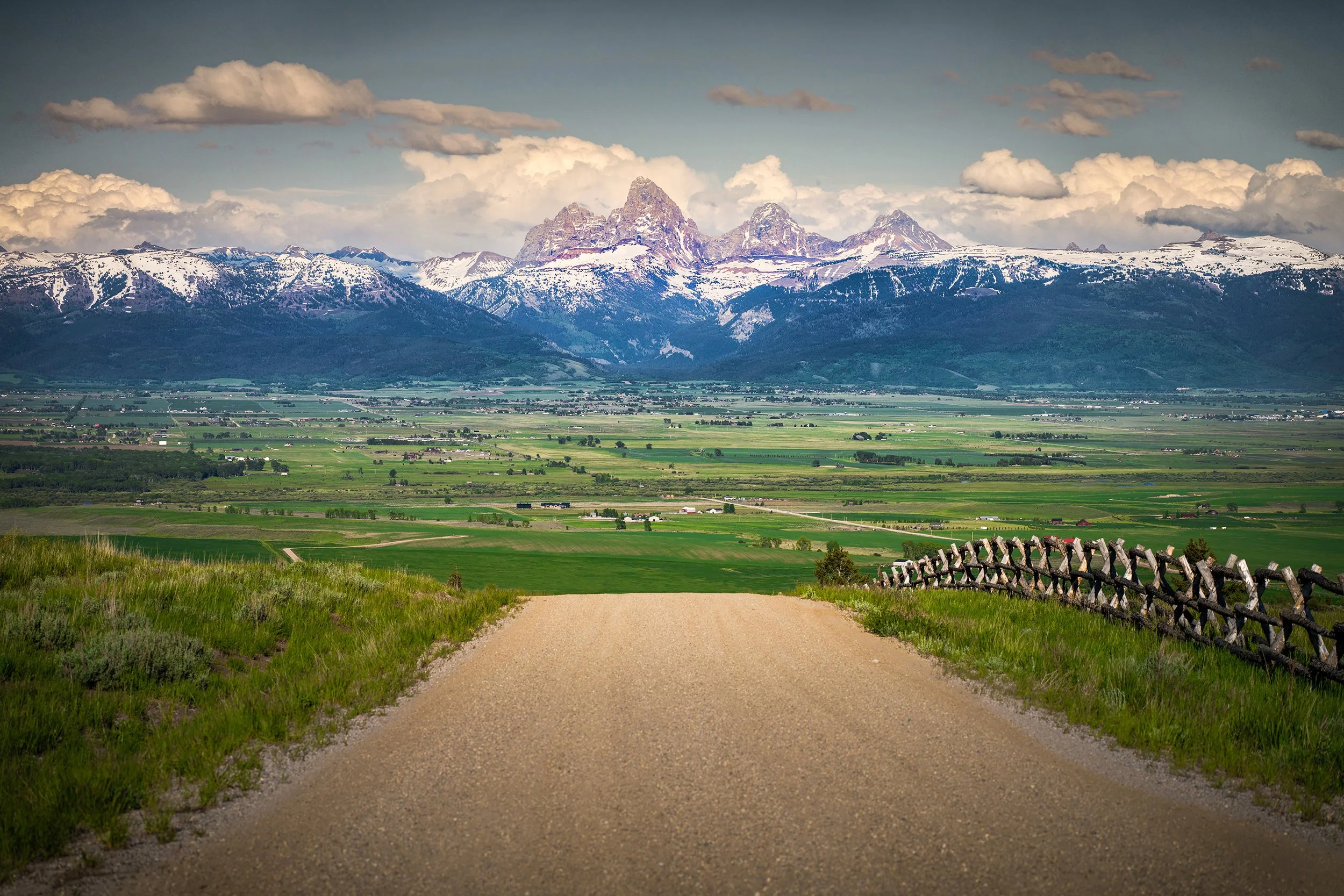
OUR STORY


Wilder Ranch began with the idea that — while the world holds many opportunities to act, and achieve, and accelerate — the things that matter most thrive among the serenity of open spaces, where nature affords us time to think, and the chance to reconnect with family and friends without distraction.
Part cowboy culture, part pioneering mindset, the idea behind Wilder Ranch was born out of a shared passion for the American West, and a desire to return to a time when relationships were more organic and less digital. Our vision was to find a one-of-a-kind piece of ground that was rooted in history, blessed with singular natural beauty, and rich in solitude without isolation.

Standing on the crest of the benchlands just west of Driggs, Idaho, we knew right away that Wilder Ranch had found its home.
Our History | Packsaddle Ranch
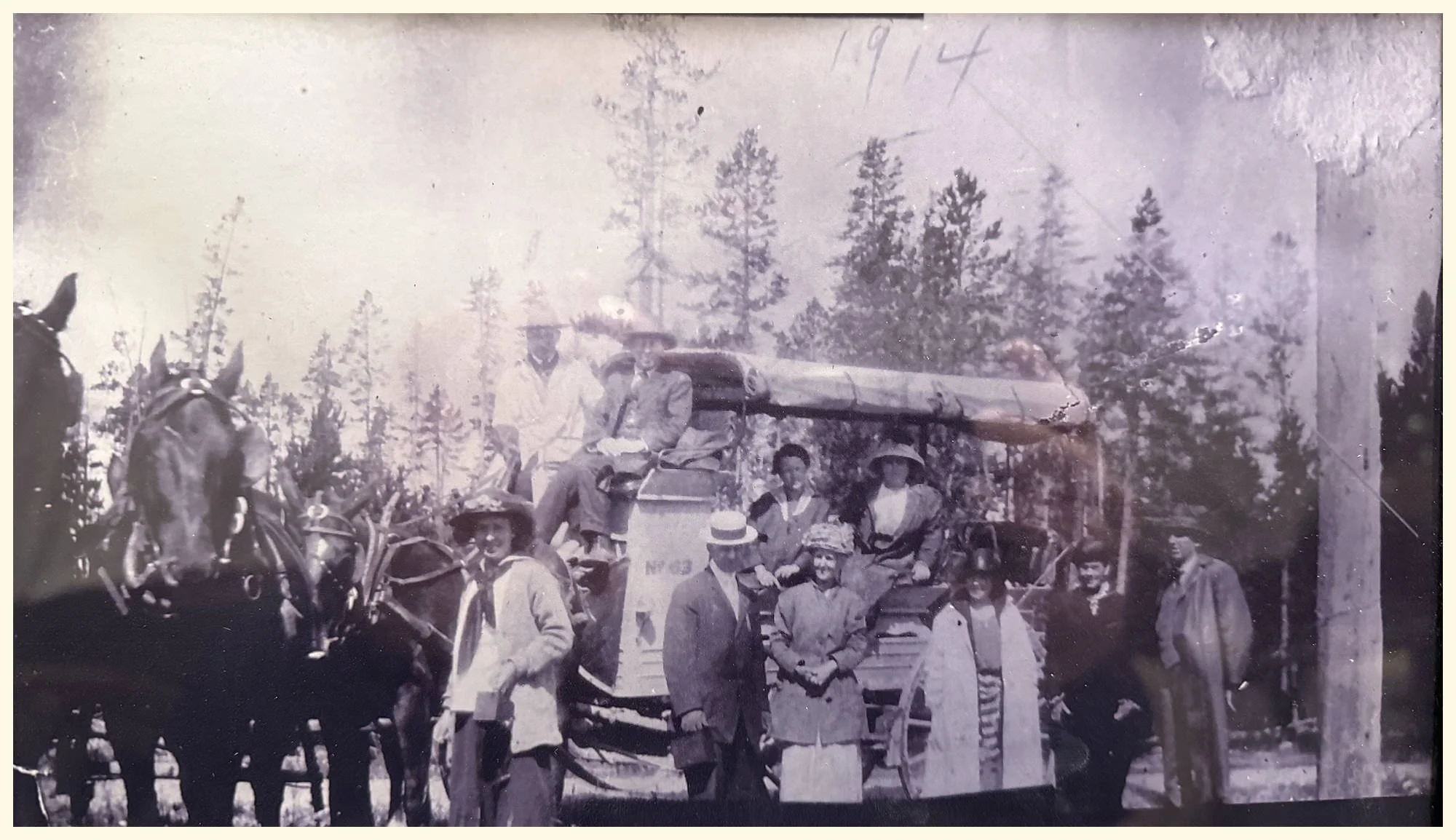

Wilder Ranch is made up of a number of contiguous ranches, many of which were part of the historic Packsaddle Ranch in Teton Valley, Idaho. That ranch finds its roots in early homesteading, ranching, and timber work that date back to the late 1800s. When settlers first came into the valley, they were drawn by the allure of fertile ground, open grazing, and access to fresh water flowing down from the west slope of the Tetons. Families staked claims, built simple cabins, and raised cattle, sheep, and horses on the rolling benchlands that came to be known as Packsaddle.
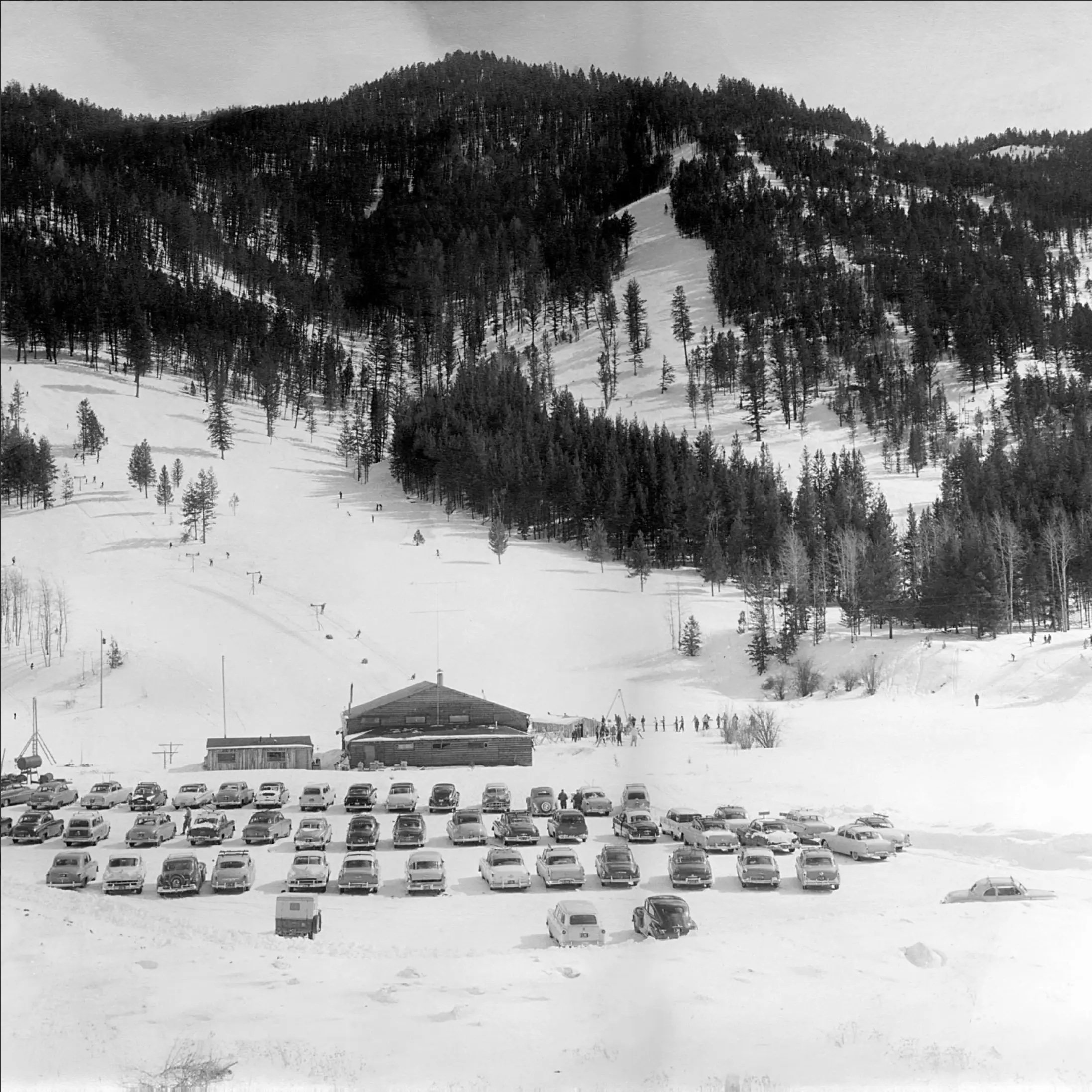
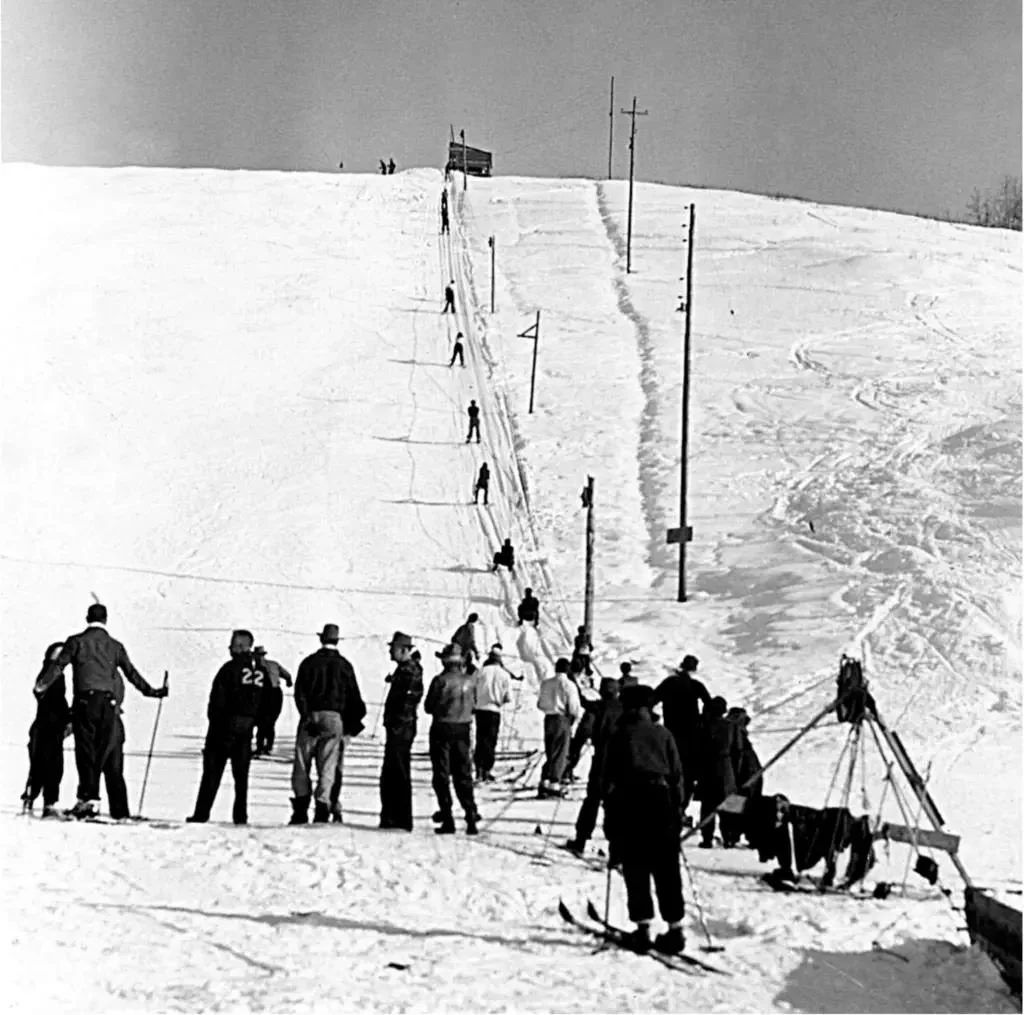
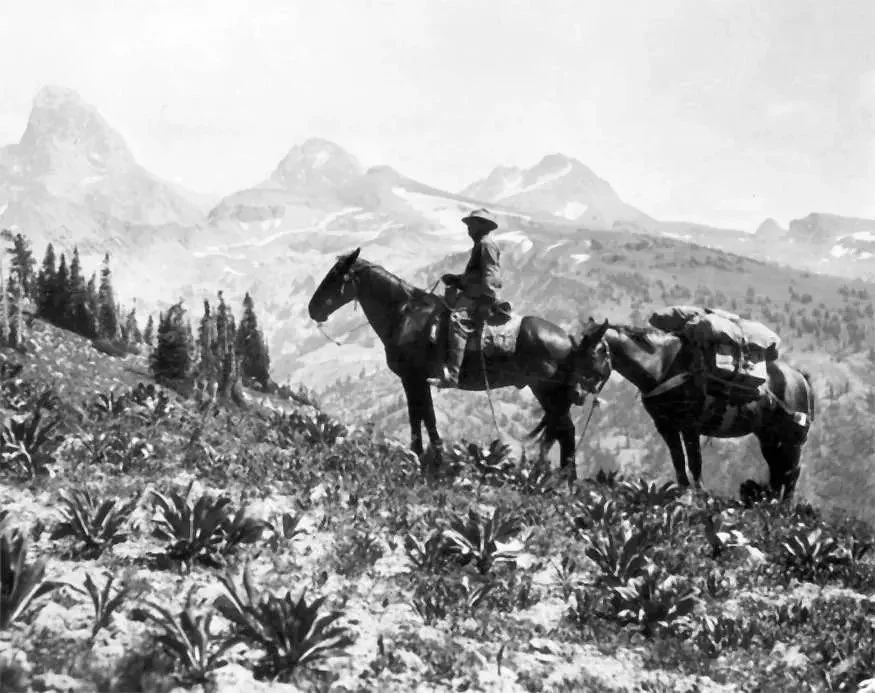
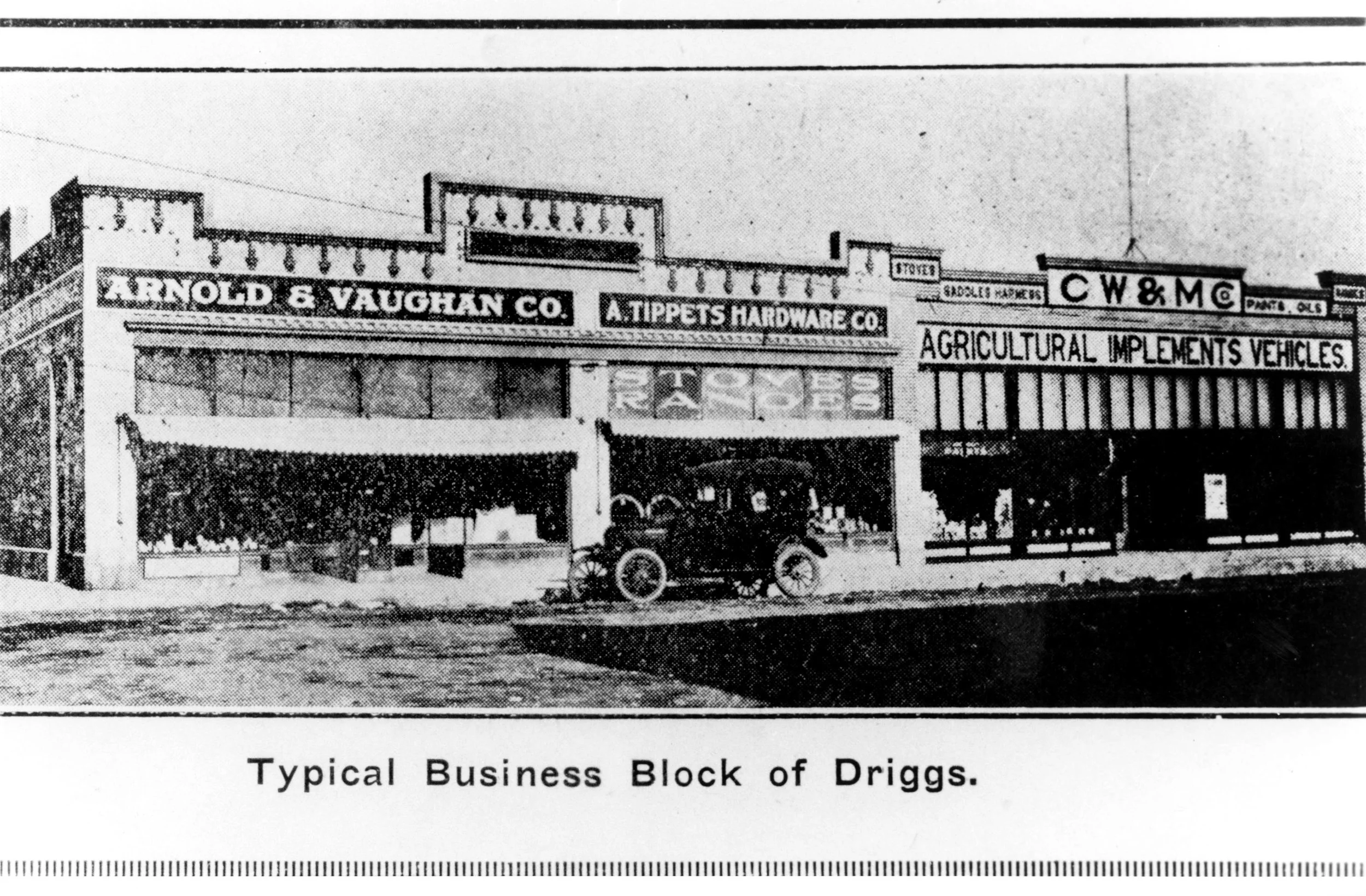
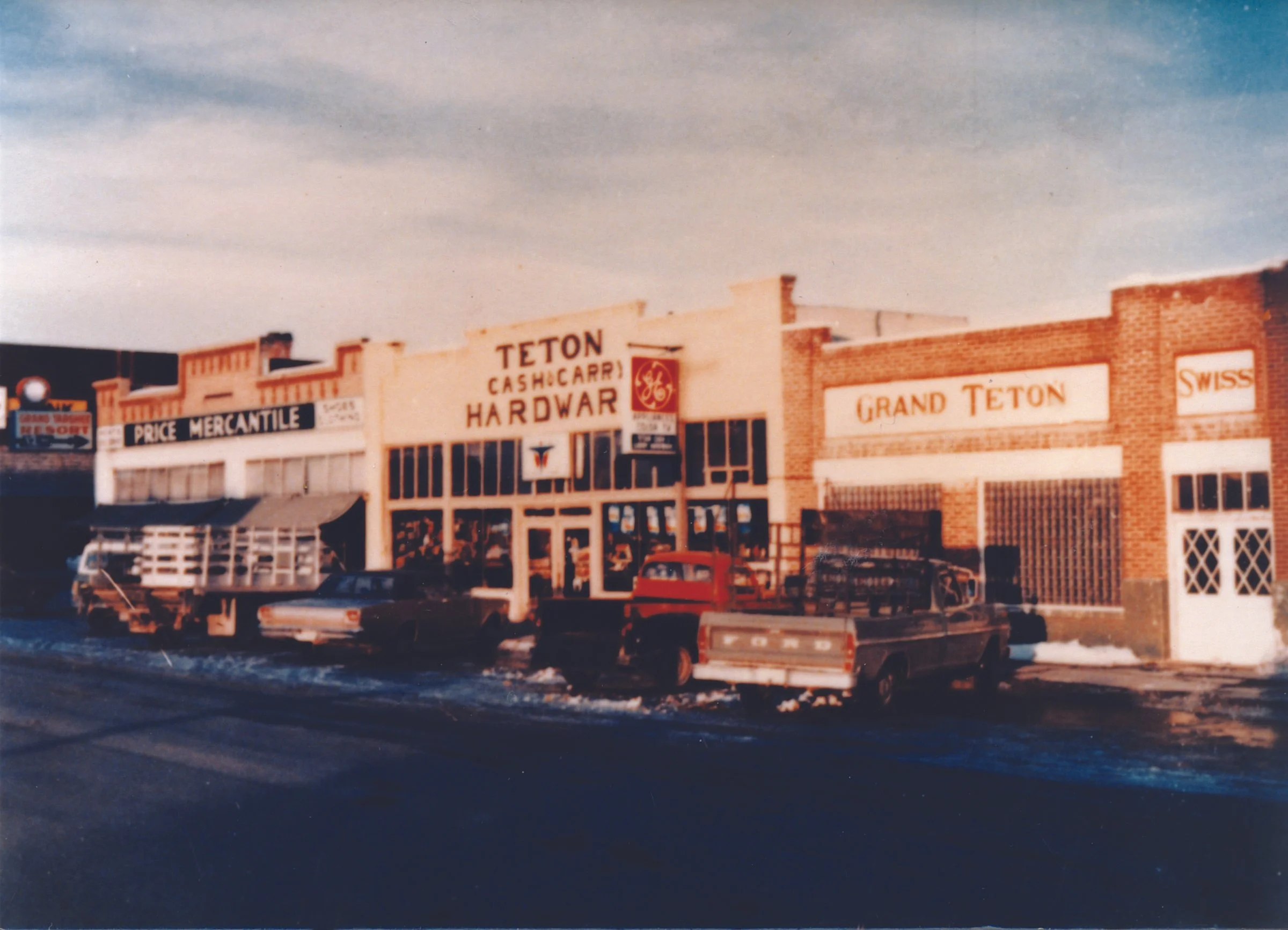
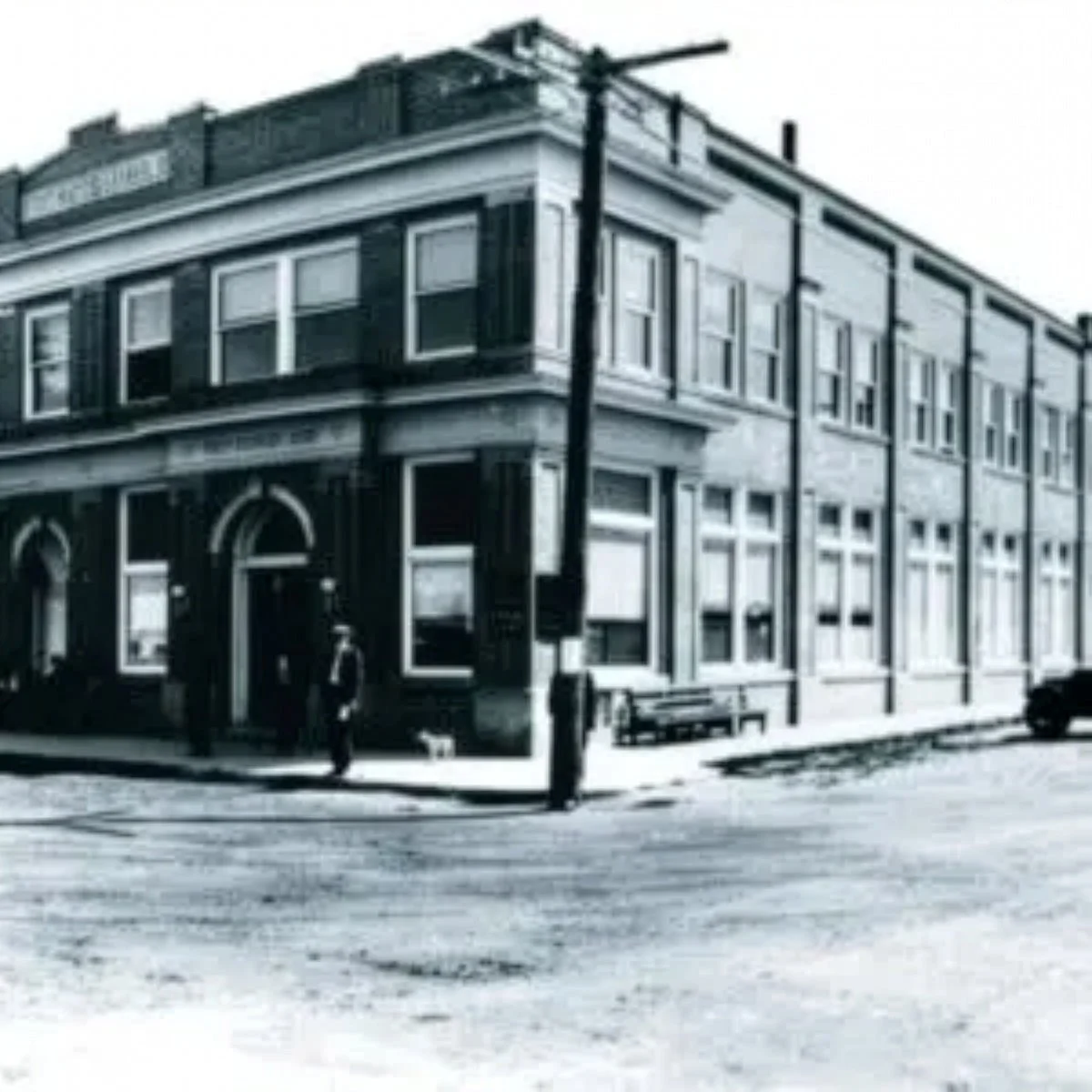
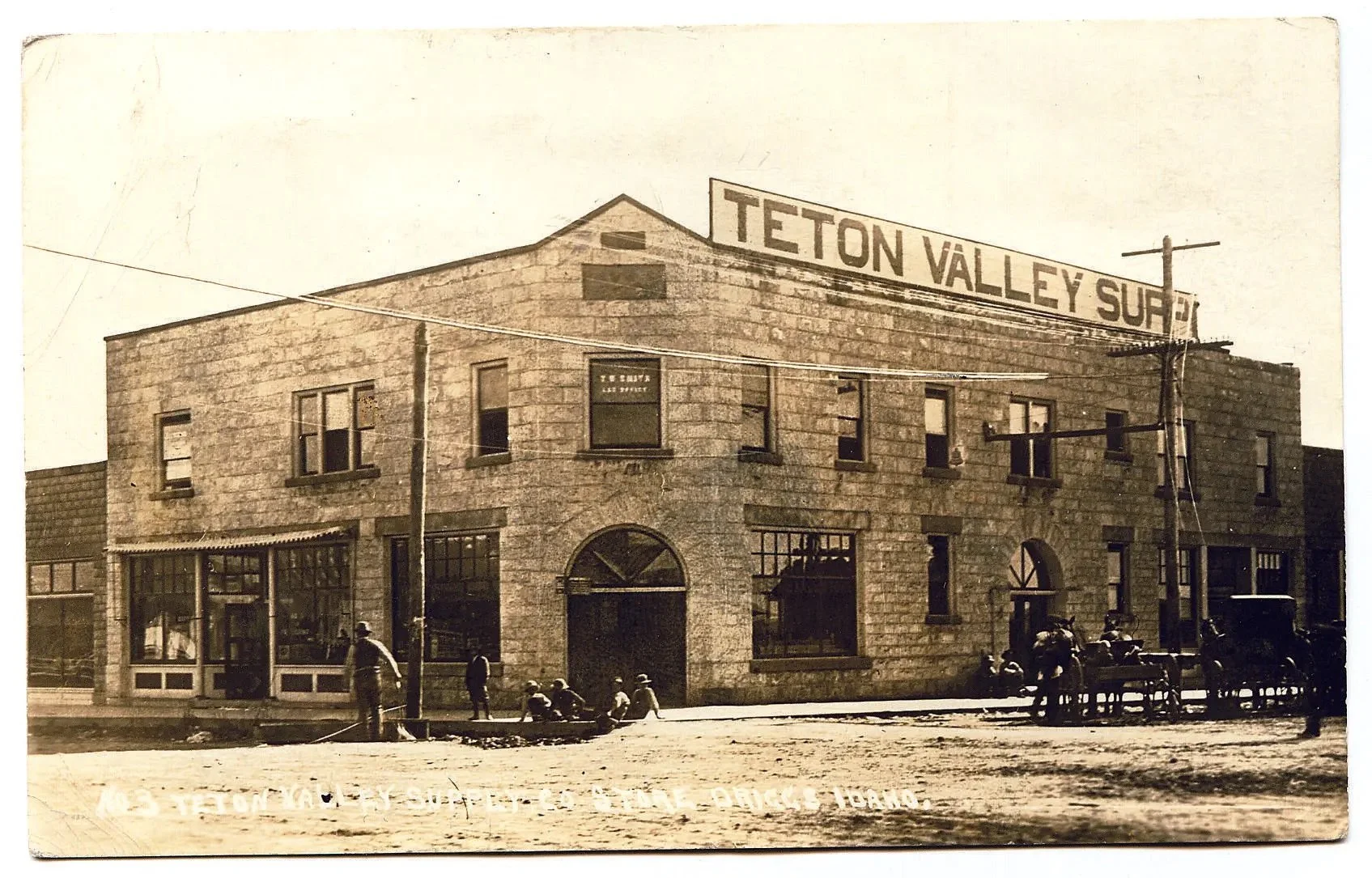
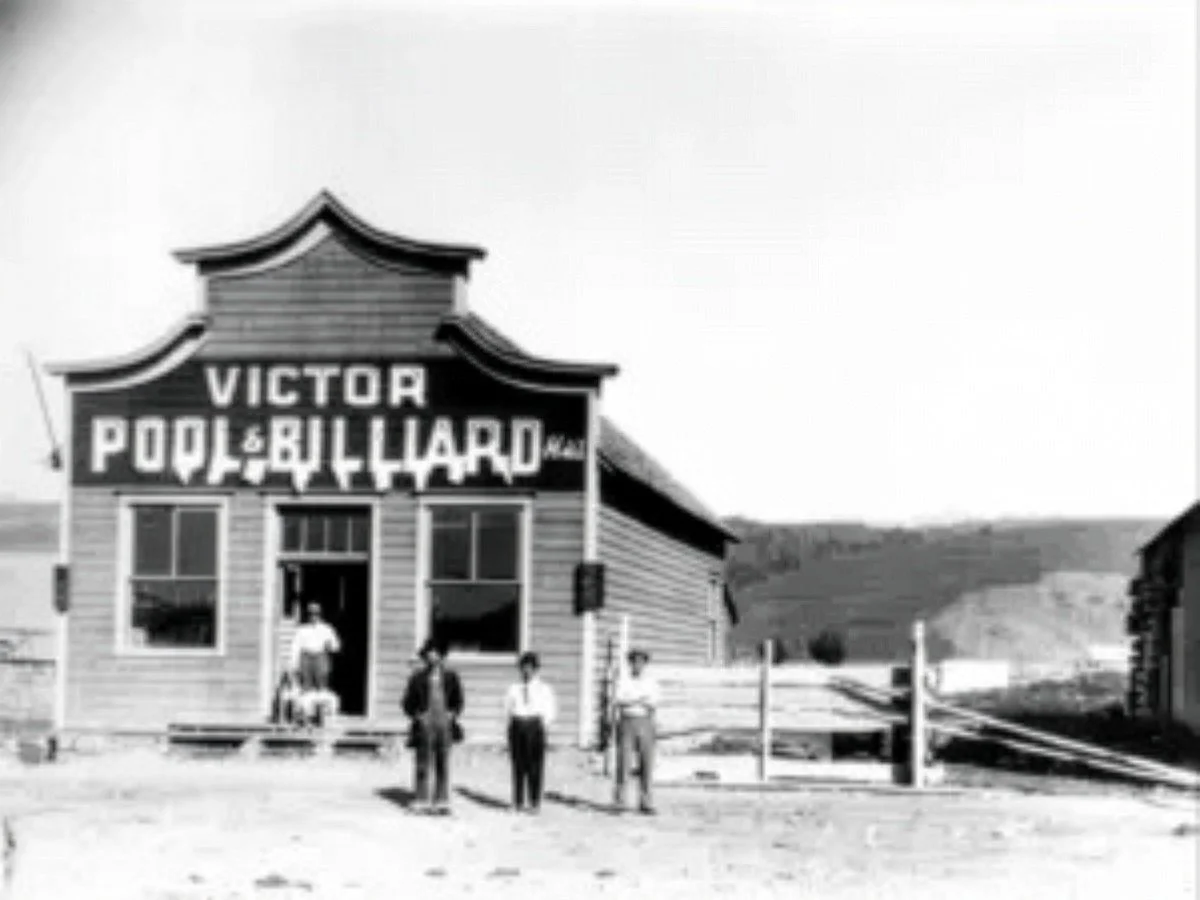
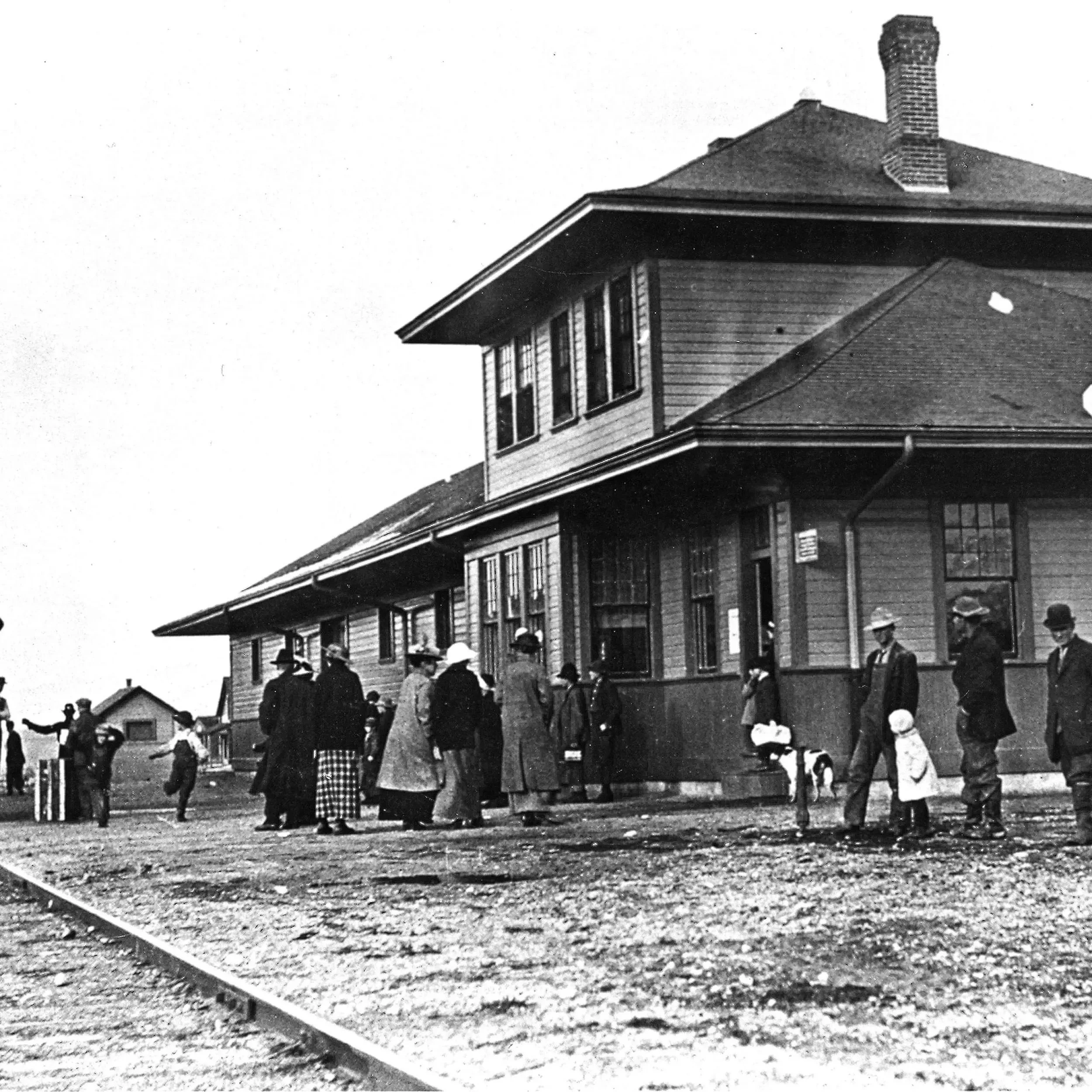
The name “Packsaddle” dates to the late 1800s. When the Hayden Expedition arrived in 1873, the bench was already known as the site where horse thieves were hanged by the cavalry. Their packsaddles, left hanging in the trees, remained until Hayden’s visit and inspired the name Packsaddle Bench.
At the north end, a wagon and stagecoach trail became a primary route between Teton Valley and Jackson Hole. Portions of the trail remain, along with the identifiable stagecoach stop at Milk Creek. This corridor left a strong physical imprint and drew a range of notable figures, including Beaver Dick Leigh and his wives Jenny and Susie, artist Thomas Moran, and stagecoach operator Ed Trafton, known as the Yellowstone Bandit.
Through the 20th century, Packsaddle remained largely agricultural, defined by pasture and hay fields bordered by lodgepole pine and aspen. Even as Teton Valley attracted new residents, the area has retained the quiet, working-land character of its origins.
If you are interested in more information about area history, here’s a link to an excellent article titled In The Tracks of Mountain Men, which appeared in Teton Valley Magazine.