
FLY FISHING

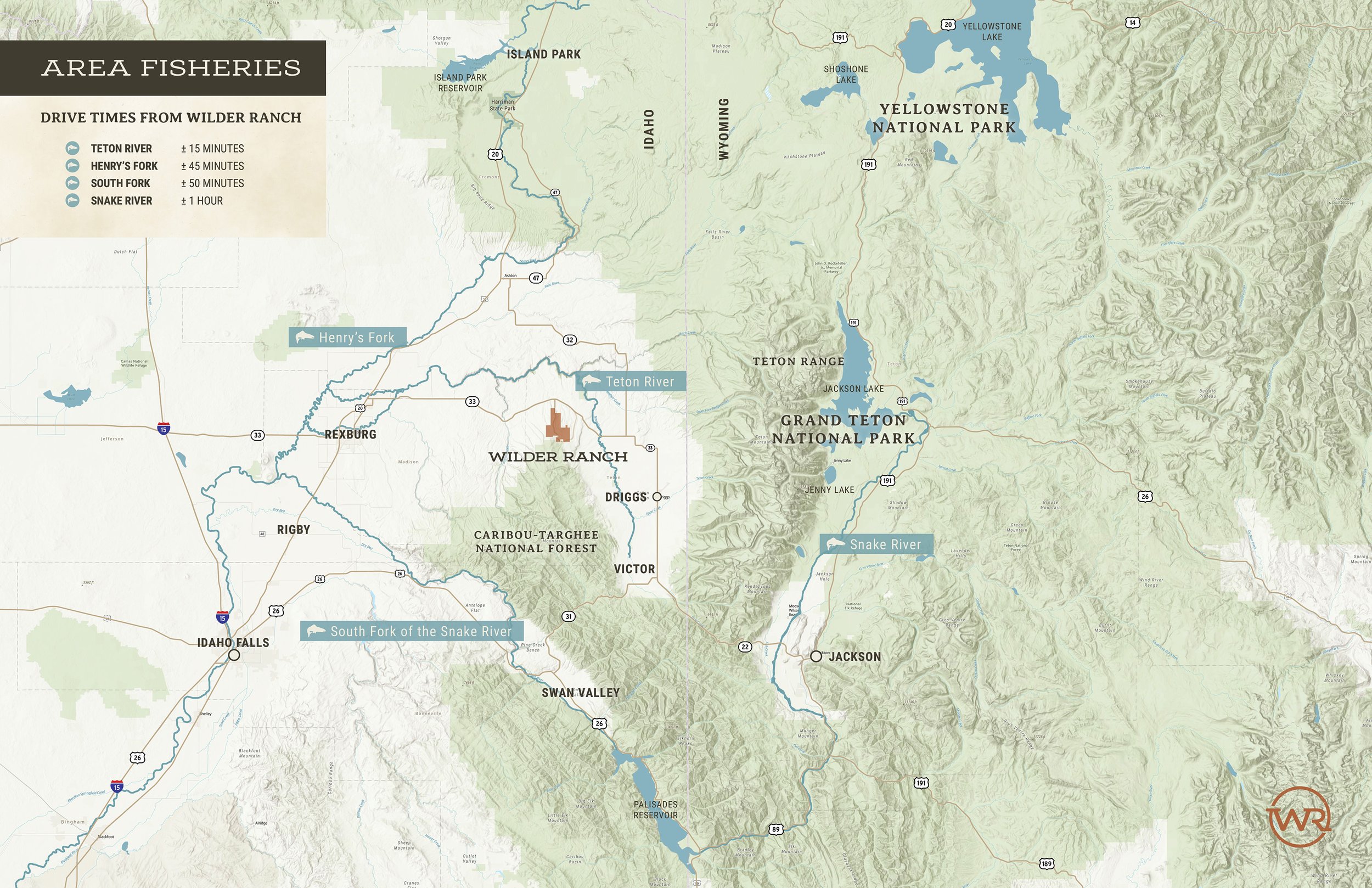
Some of the best wild trout fisheries in the Rocky Mountains are found in the Northern Rockies, no doubt. But Wilder is blessed with three legendary fisheries that are so close, we can call them our home waters; the Teton, South Fork (of the Snake), and Henry’s Fork (also of the Snake), which are all less than an hour’s drive. Combine those with the fabled rivers of Montana also within striking distance, and countless small streams and ponds in the area, Wilder is an ideal location for the dedicated fly fisher.
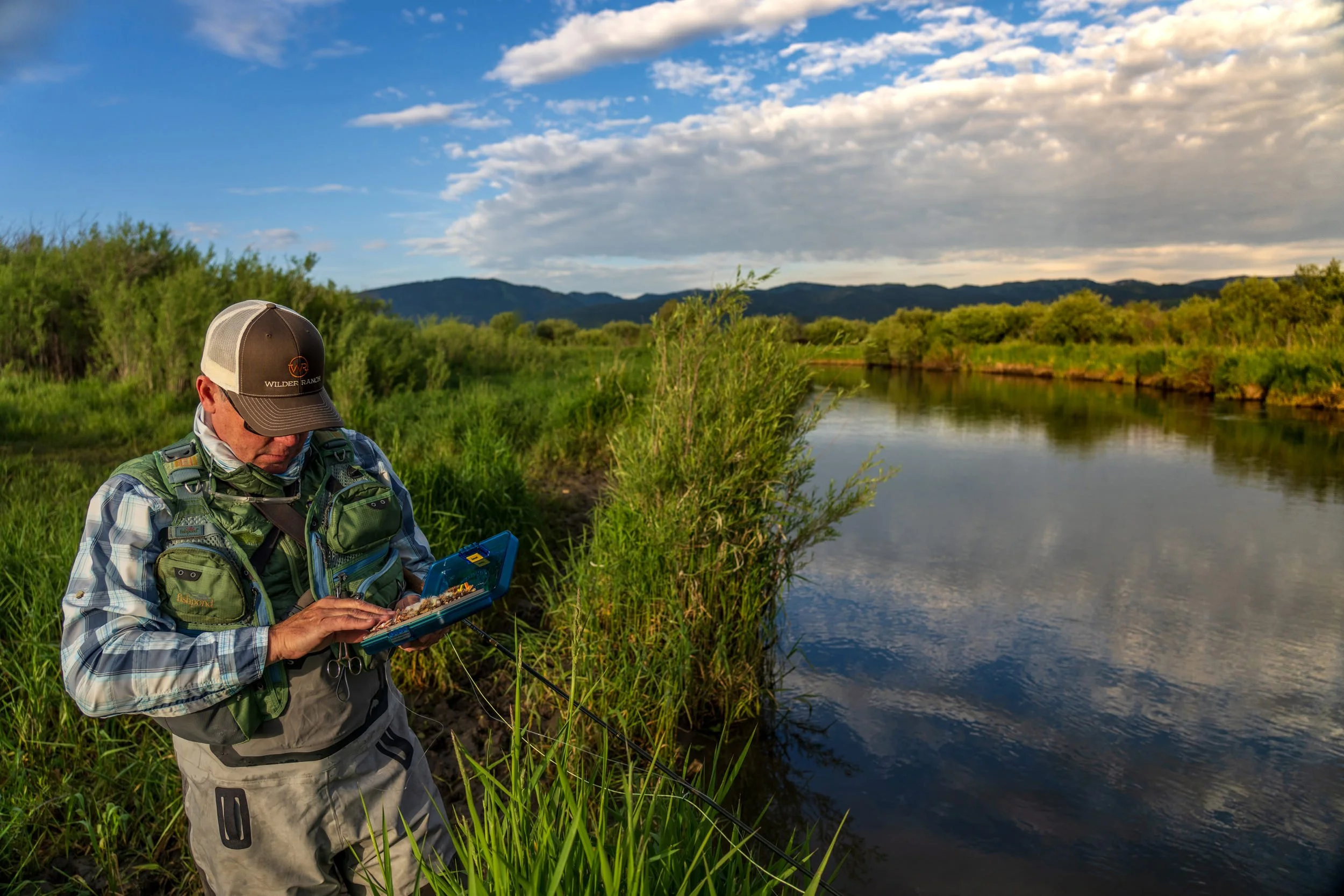
Whether you want to venture out to one of the nearby fisheries on your own, or hire a professional guide from an area outfitter to take you on a float trip or backcountry fishing expedition, you won’t run short of options for world-class fly fishing opportunities.


-
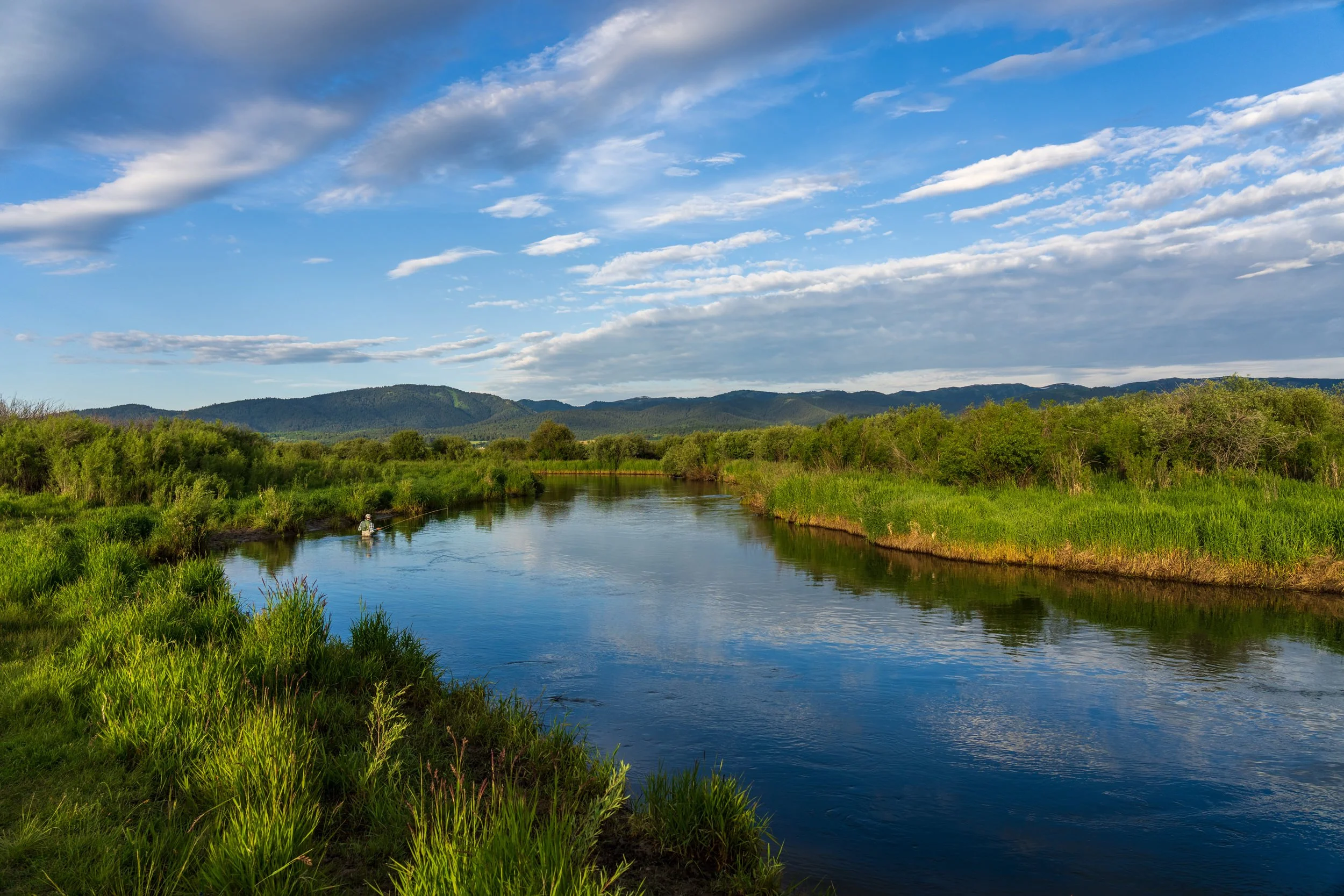
The Teton offers a classic Western fly-fishing experience defined by wide valley meanders, clean riffles, and a pretty backdrops. Flowing through hay fields just beneath Wilder Ranch, this freestone river provides a mix of pocket water, long glides, and undercut banks that reward careful presentation and thoughtful water reading. It’s a place where pace matters—slow down, watch the seams, and let the river show you where the fish live.
The fishery is best known for its healthy population of native Yellowstone cutthroat trout, with rainbows and an occasional brown mixed in. Seasonal hatches of caddis, PMDs, and terrestrials fuel reliable dry-fly fishing, especially during warm summer evenings when trout rise steadily until dark. Because the Teton is driven by snowmelt, conditions change throughout the season, keeping things interesting and favoring anglers who can adapt. Add in abundant wildlife and killer sunsets, and the Teton delivers a deeply rewarding blend of fishing and place.
-
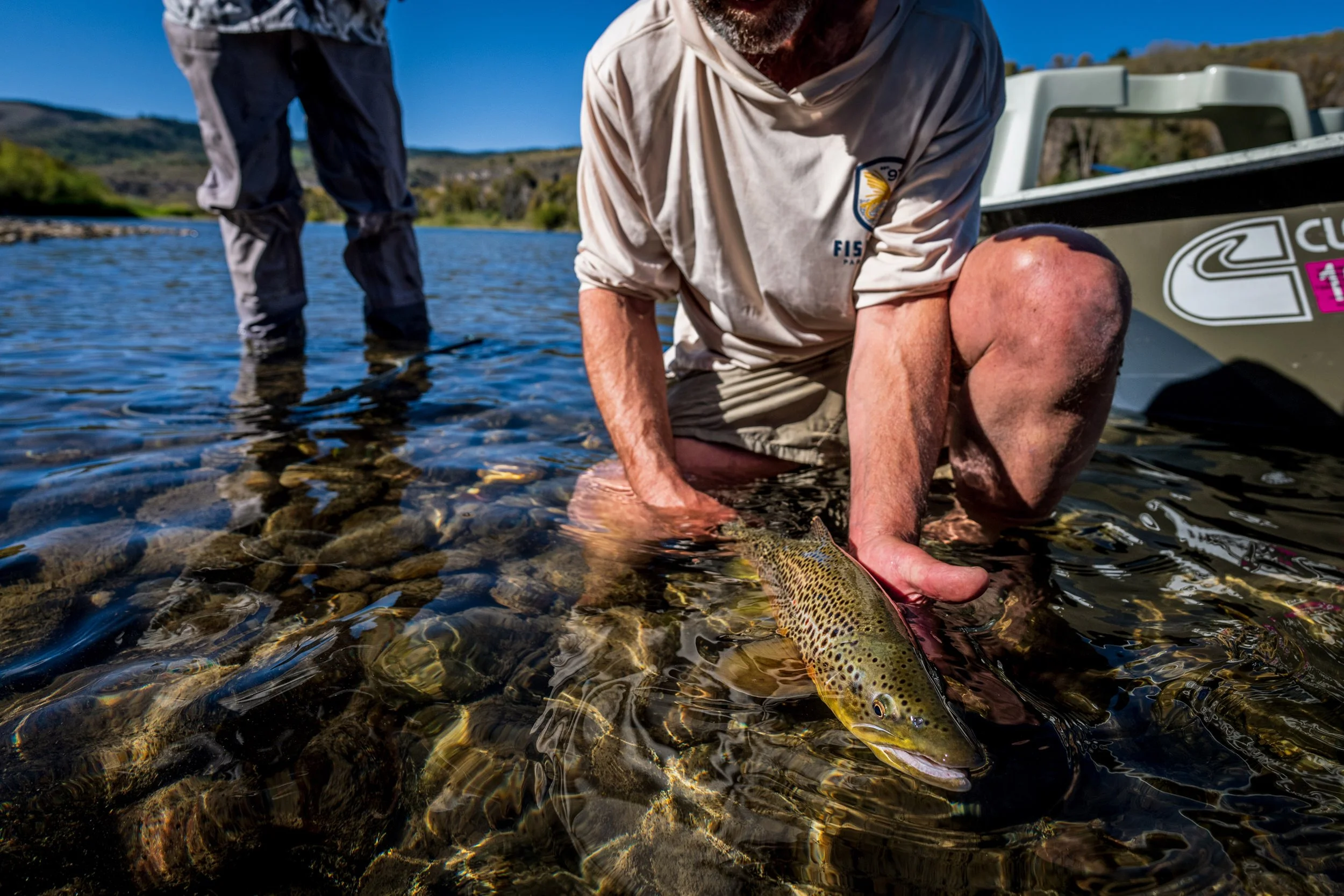
One of the crown-jewel fly fisheries of the American West, the South Fork is renowned for its consistent flows, prolific insect life, and sheer density of trout. This broad, powerful tailwater flows through cottonwood bottoms and canyon stretches, offering classic riffle-run-bank structure that fishes well much of the season, thanks to the consistent flows due to the regulated flows from the dam.
The river is famous for its strong populations of cutthroat, rainbow, and brown trout, many of them large, aggressive, and eager to rise. Legendary hatches—like pale morning duns, caddis, yellow sallies, and salmonflies—can ignite exceptional dry-fly fishing, often with fish willing to move long distances for a well-placed fly. Add in steady currents, big water visuals, and the chance at truly once-in-a-lifetime trout, and the South Fork delivers a bold, high-energy fly-fishing experience that lives up to its reputation.
-
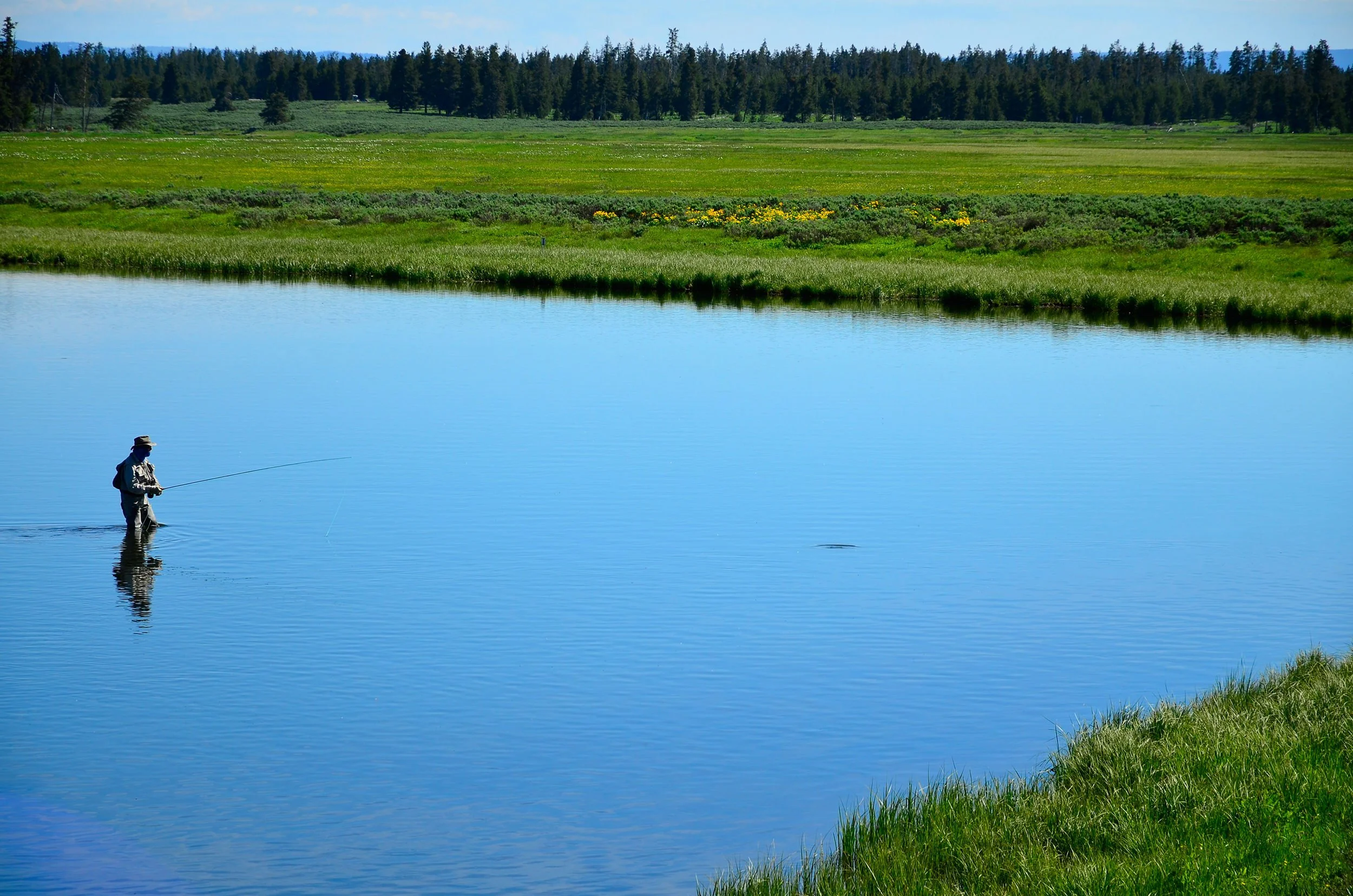
If you’re a fly fishing aficionado, you’ve heard about the Henry’s Fork. It’s one of the most storied and technically demanding trout fisheries in the world, prized for its gin-clear water, selective fish, and legendary hatches. Flowing from the slopes of Yellowstone through high desert and meadow country, this tailwater that is a fork of the Snake River presents a range of water types—from glassy spring creeks and slow flats to classic riffles—where precision and patience matter as much as fly choice.
Home to large, educated rainbow and brown trout, the Henry’s Fork is defined by its famous mayfly emergences, including PMDs, Green Drakes, and the celebrated salmonfly and brown drake events. Rising fish here reward exacting casts and delicate presentations, often in full view of the angler. Challenging, humbling, and deeply rewarding, fly fishing the Henry’s Fork is as much about problem-solving and strategy as it is about catching fish—making every hook-up feel earned and unforgettable.